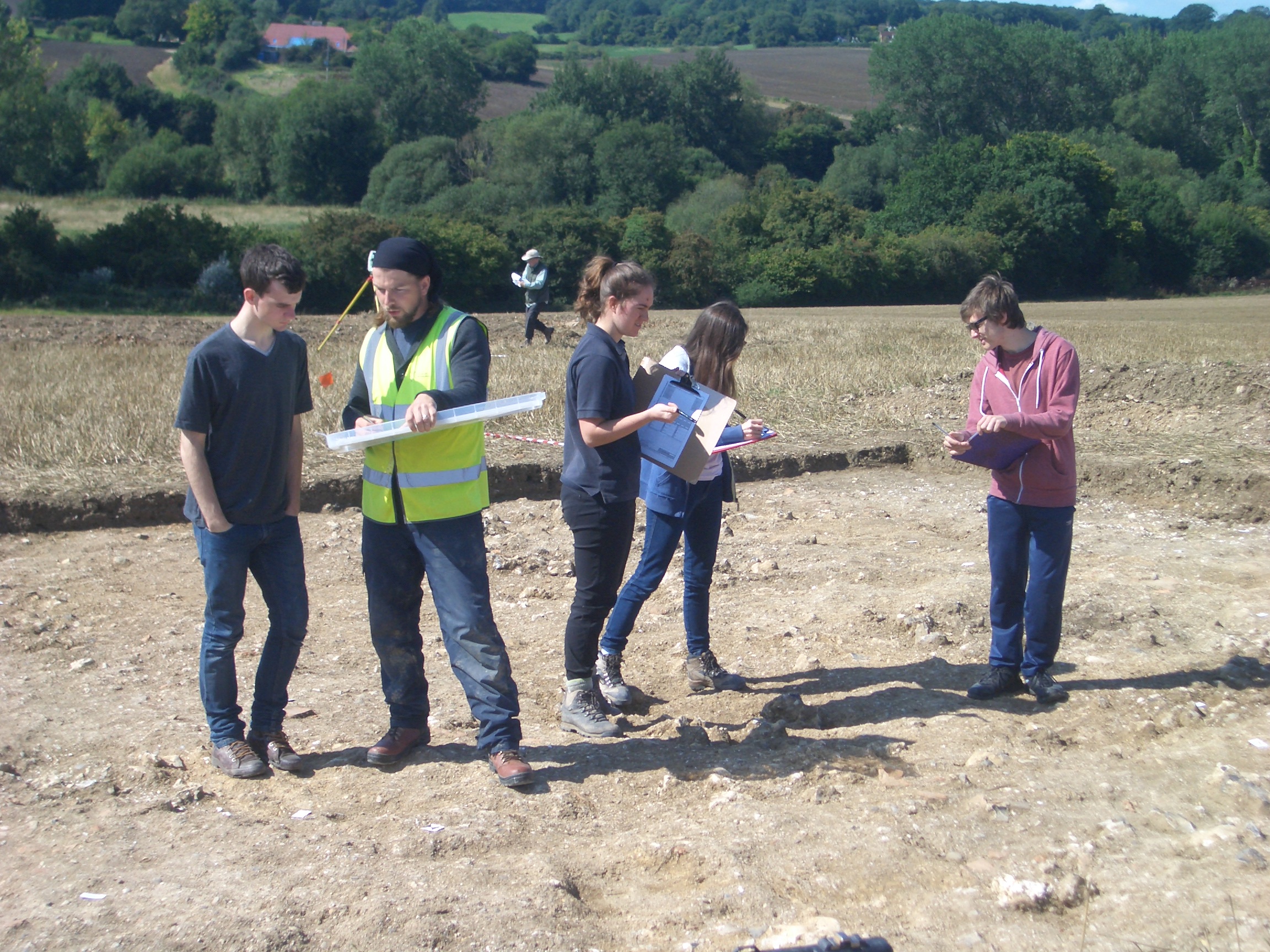
Jez instructing volunteers in trench recording
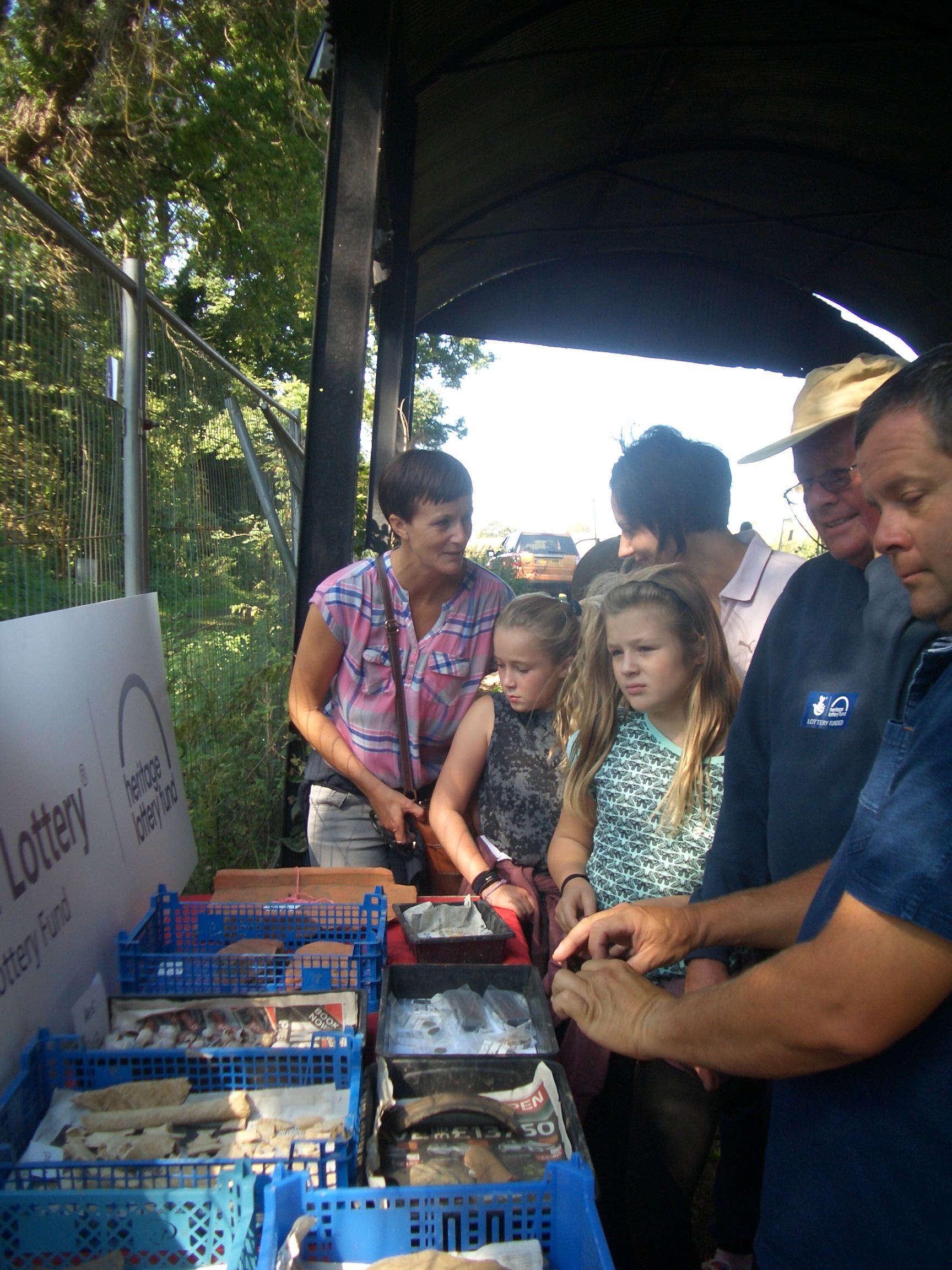
Visitors viewing and handling some of the finds
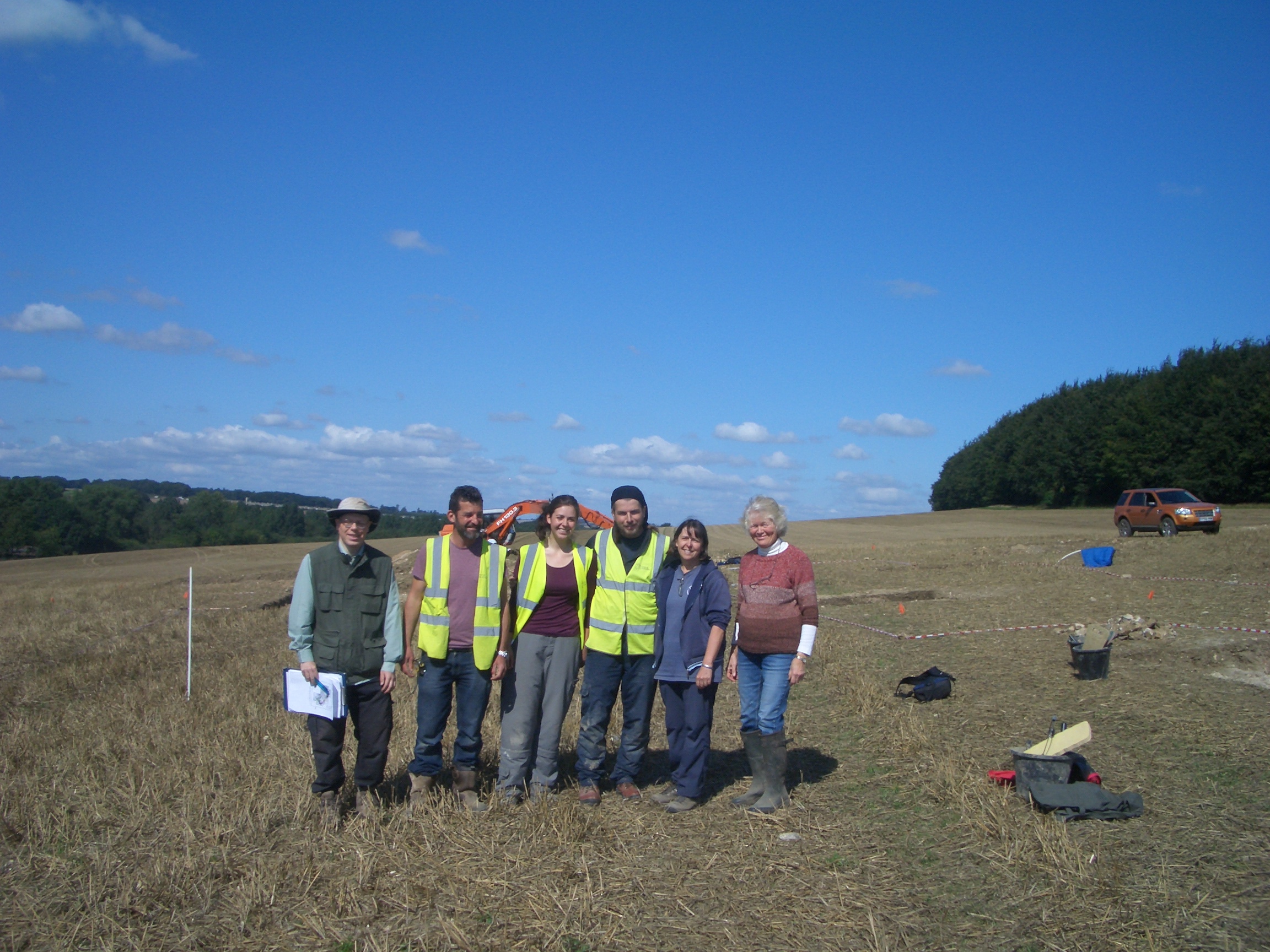
Steve (BARG) Matt, Natasha, Jez (Cotswold Archaeology) Lindsey (BARG) & Joy (BHP)
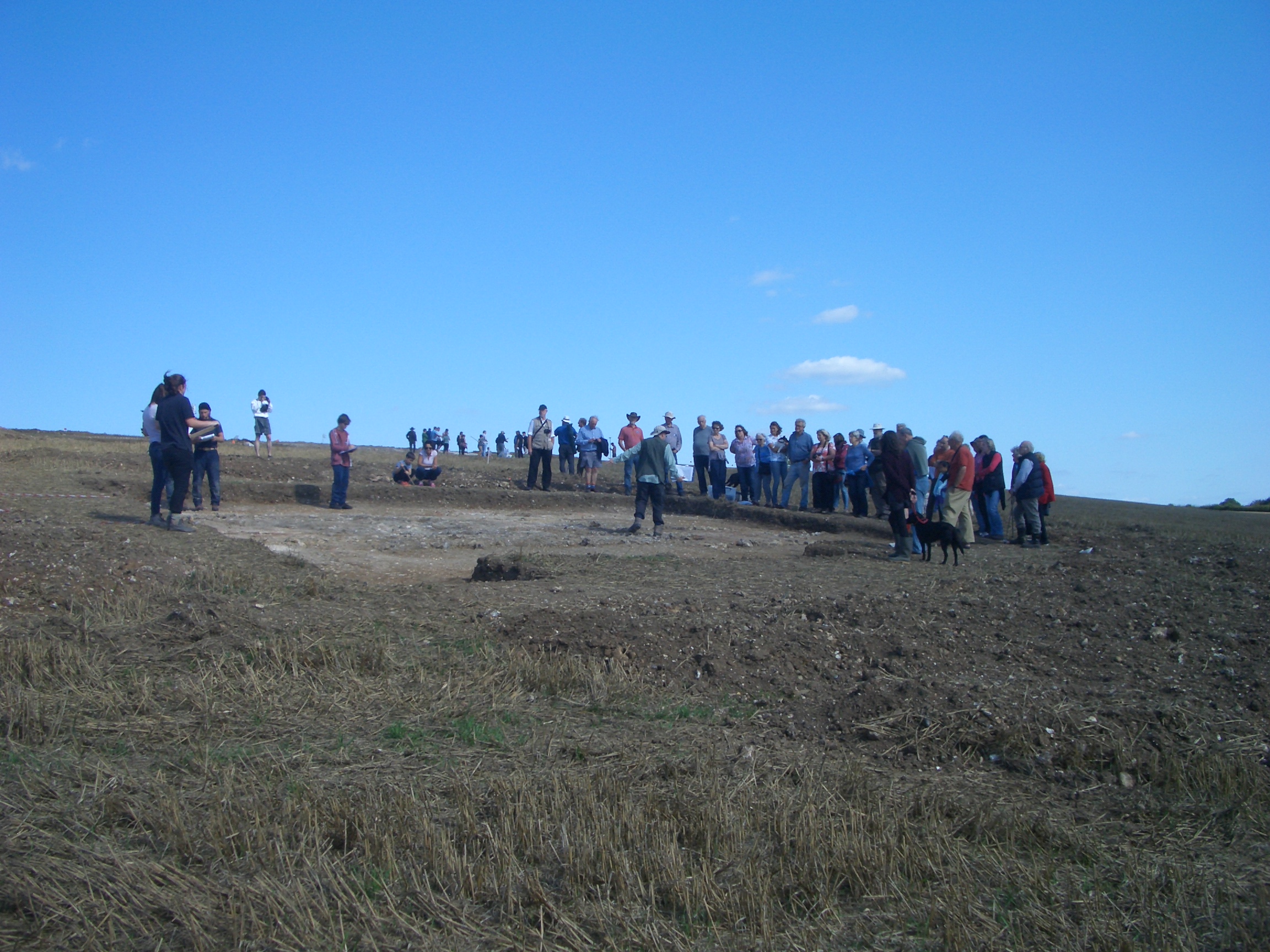
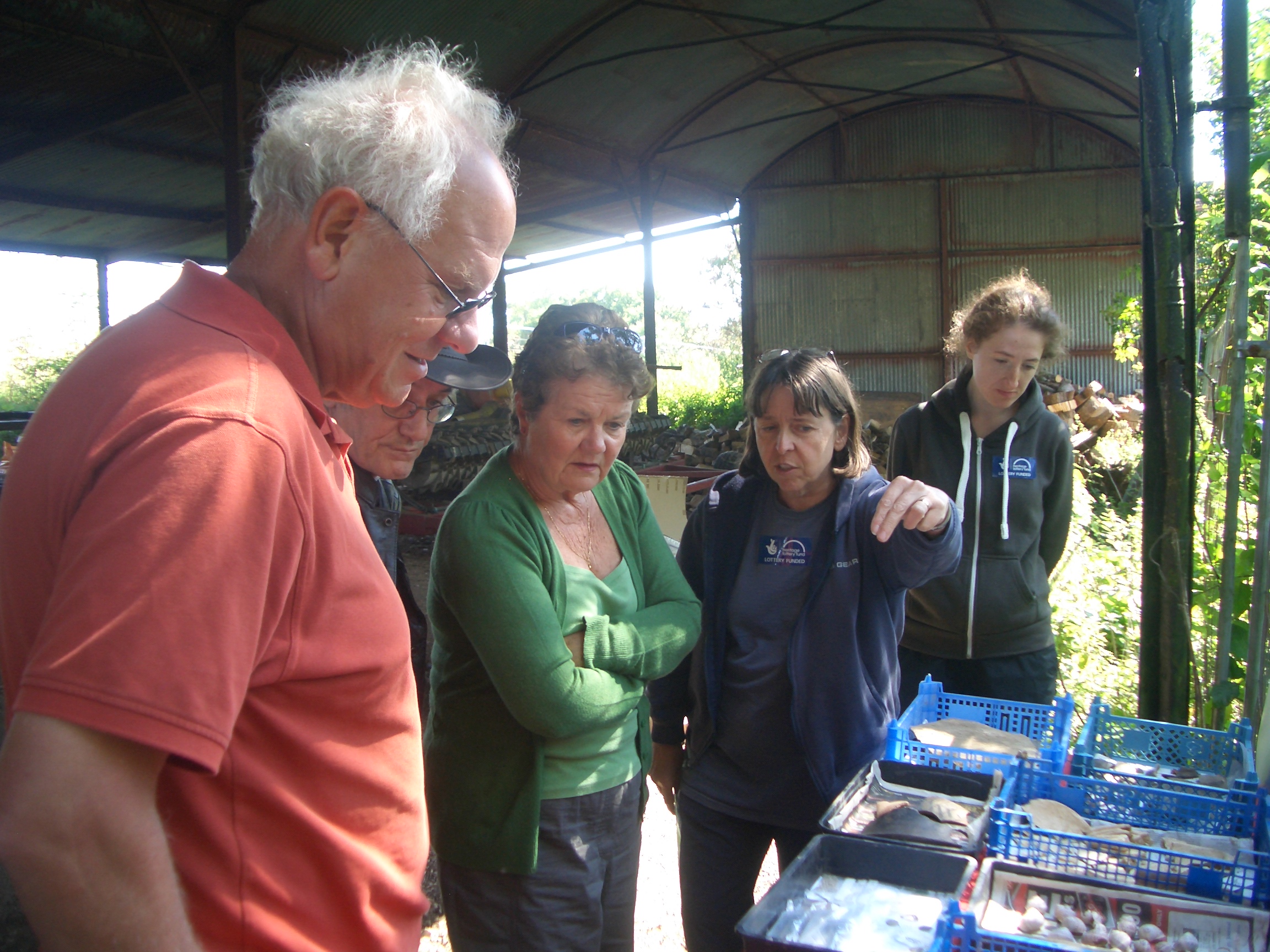
Some of the nearly 100 visitors to the Roman Villa site on Sunday
Jez instructing volunteers in trench recording
Visitors viewing and handling some of the finds
Steve (BARG) Matt, Natasha, Jez (Cotswold Archaeology) Lindsey (BARG) & Joy (BHP)
Some of the nearly 100 visitors to the Roman Villa site on Sunday
Well, it’s come round very fast. Sad that we have done the last of the digging for this year but not so sad for the finds washers, particularly Prue, who must have washed literally tons of limestone roof tile and tegula over the past 2 weeks! All the trenches look spick and span ready for our visitors tomorrow. Our volunteers have done Boxford proud. When you see the extent of excavation completed over the two week period and the finds produced, we think you will agree. Hope to see you tomorrow.
Many people have expressed an interest to come to our Open Day – or part Open Day on Sunday 6th September between 2-4pm. The site is only accessible on foot by using the footpath from Boxford Mill towards Bagnor. Parking is available in the field – it will be signed church car park. If you are using a SATNAV the postcode is RG20 8DP. From Newbury take A4 towards Hungerford and take the first right turn on to B4000 to Stockcross. Drive through Stockcross and take the second right to Boxford after a mile. Cross over the junction at The Bell public house into the village and turn right into the car park after crossing the River Lambourn. The villa site will be found near the black barn about half a mile from the car park. We will be putting some of our finds on display in the barn and volunteer diggers and our professional archaeologists will be on hand to show you the site and explain what you can see. We hope to see you on Sunday!
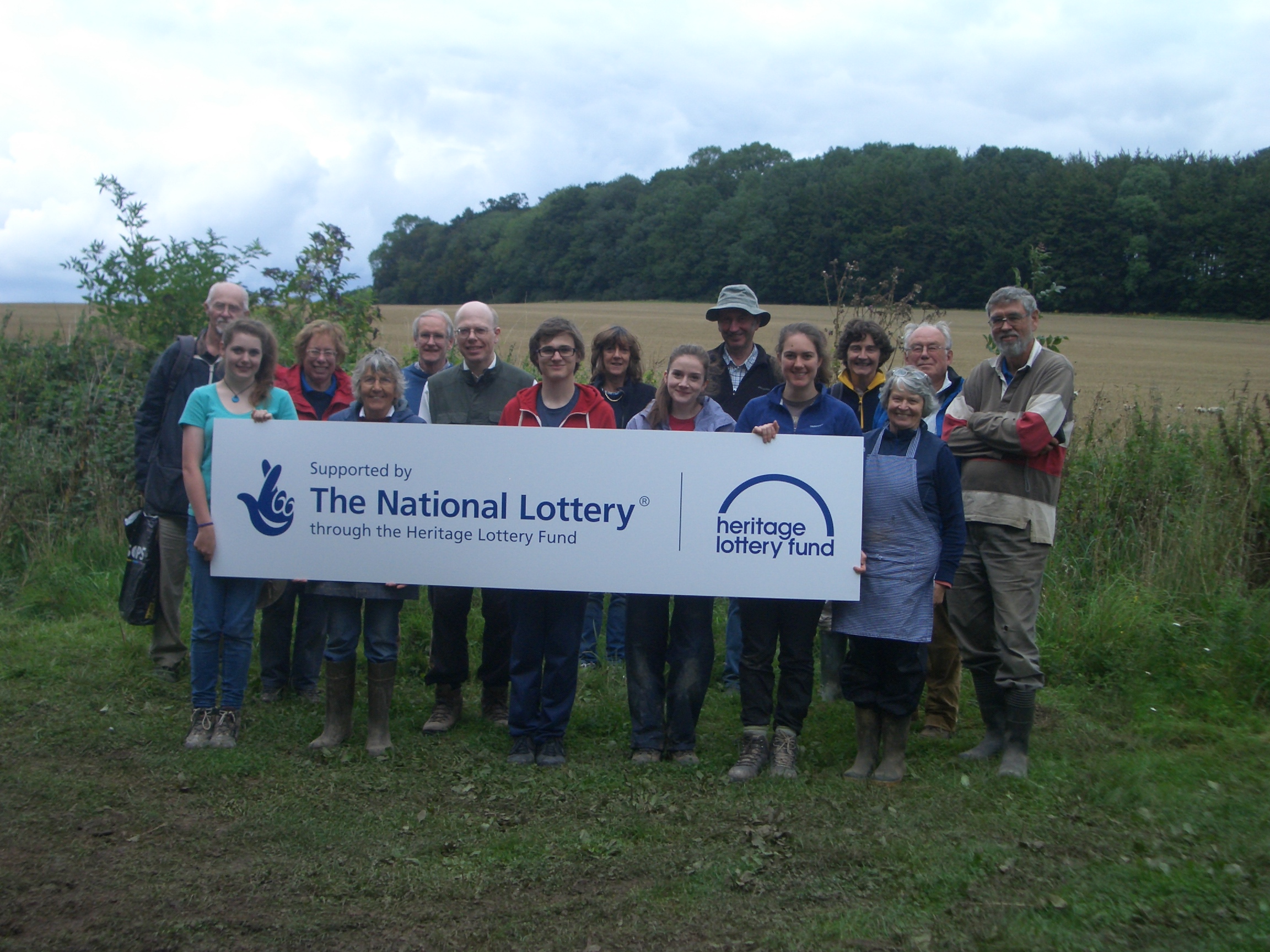
Another group photo with some different faces
Ditch Trench 7 – a trench has been dug at the intersection of three ditches and tracks to identify their use in the wider villa landscape
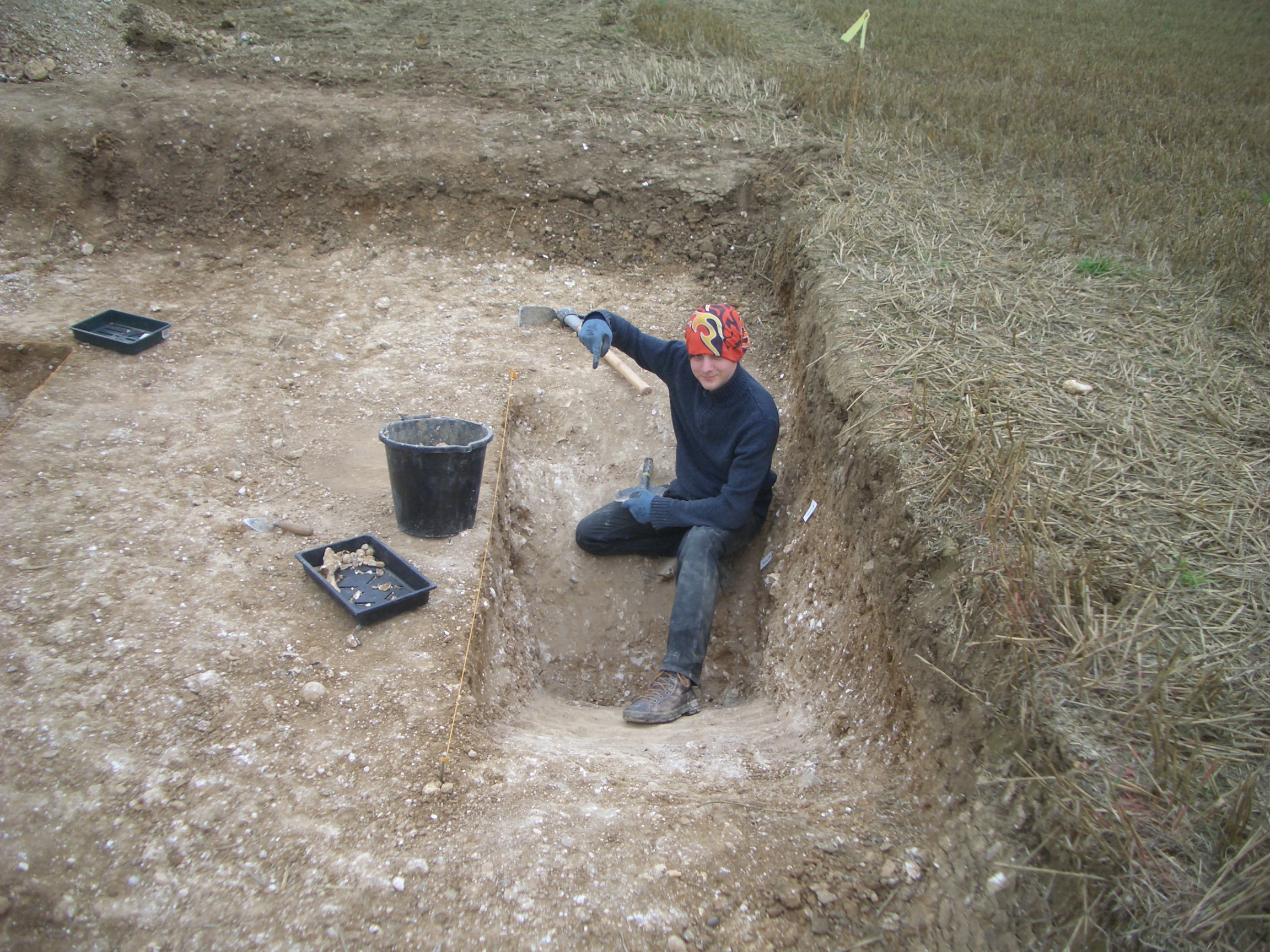
Samuel nearing the bottom of the V-shaped drainage ditch
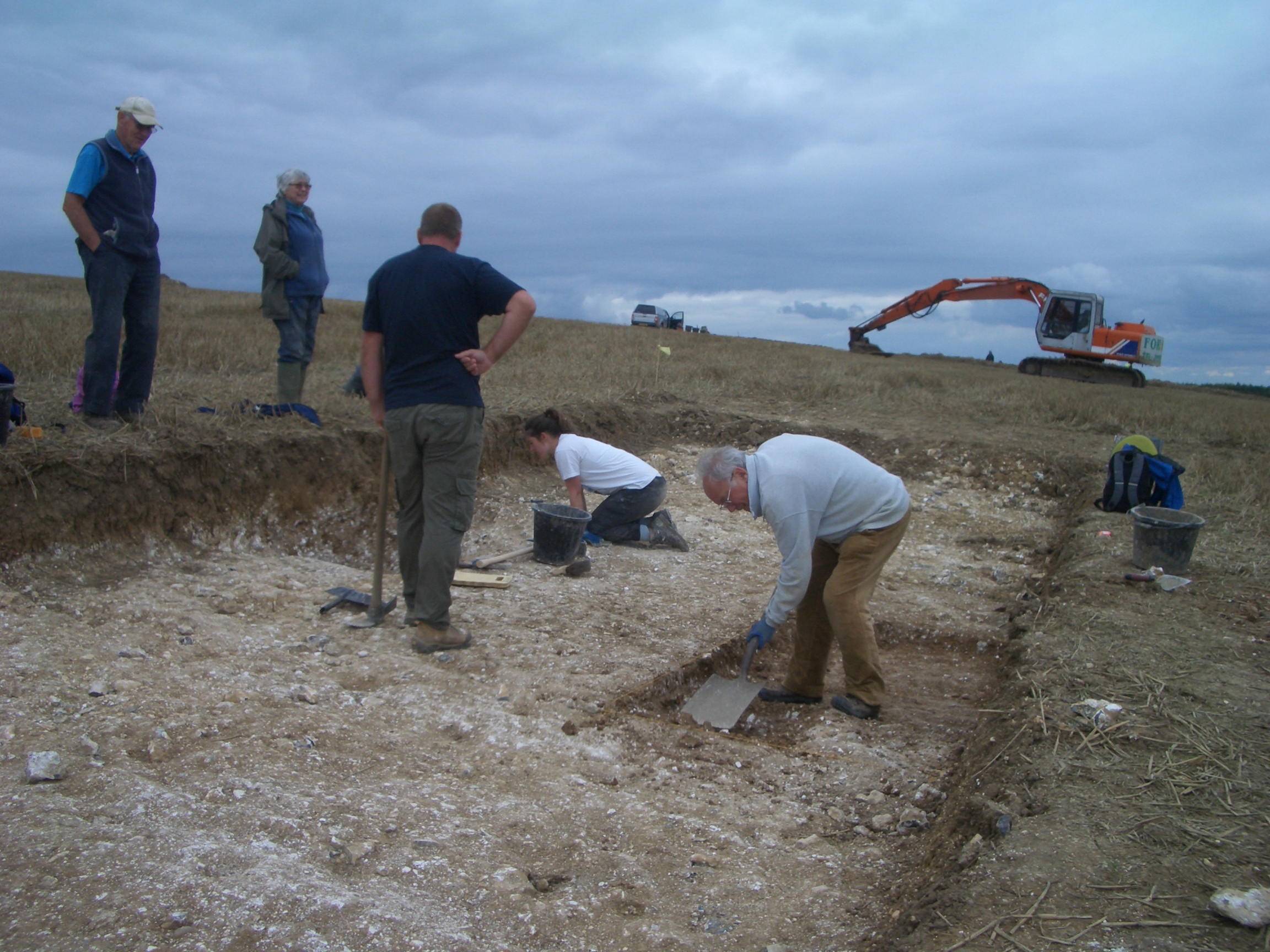
John working hard at the intersection of the ditches and tracks.
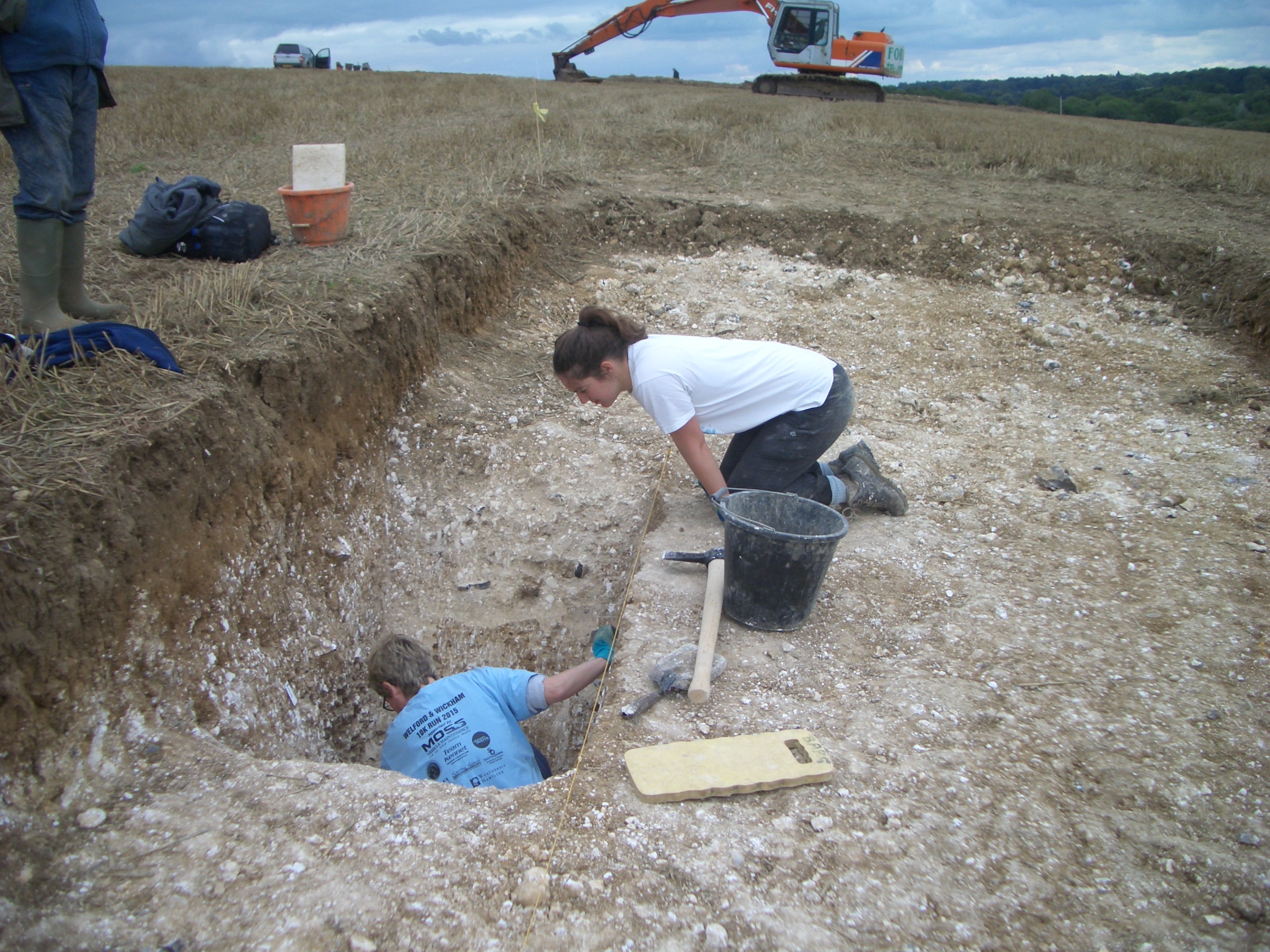
Paula nearly disappearing down another V-shaped drainage ditch with Freya looking on. This one is nearly as good as new!
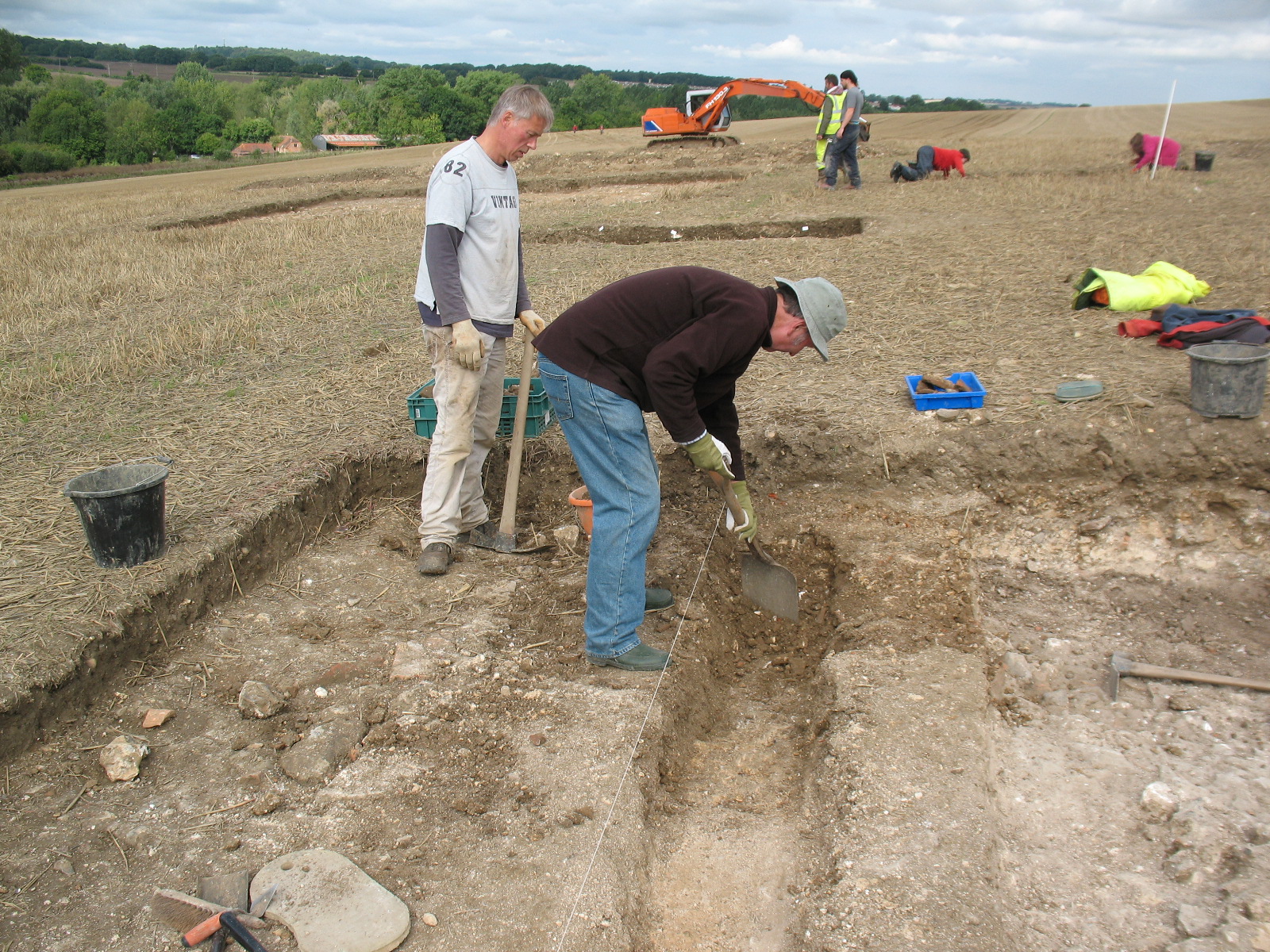
Gary and John in the main entrance trench – 4

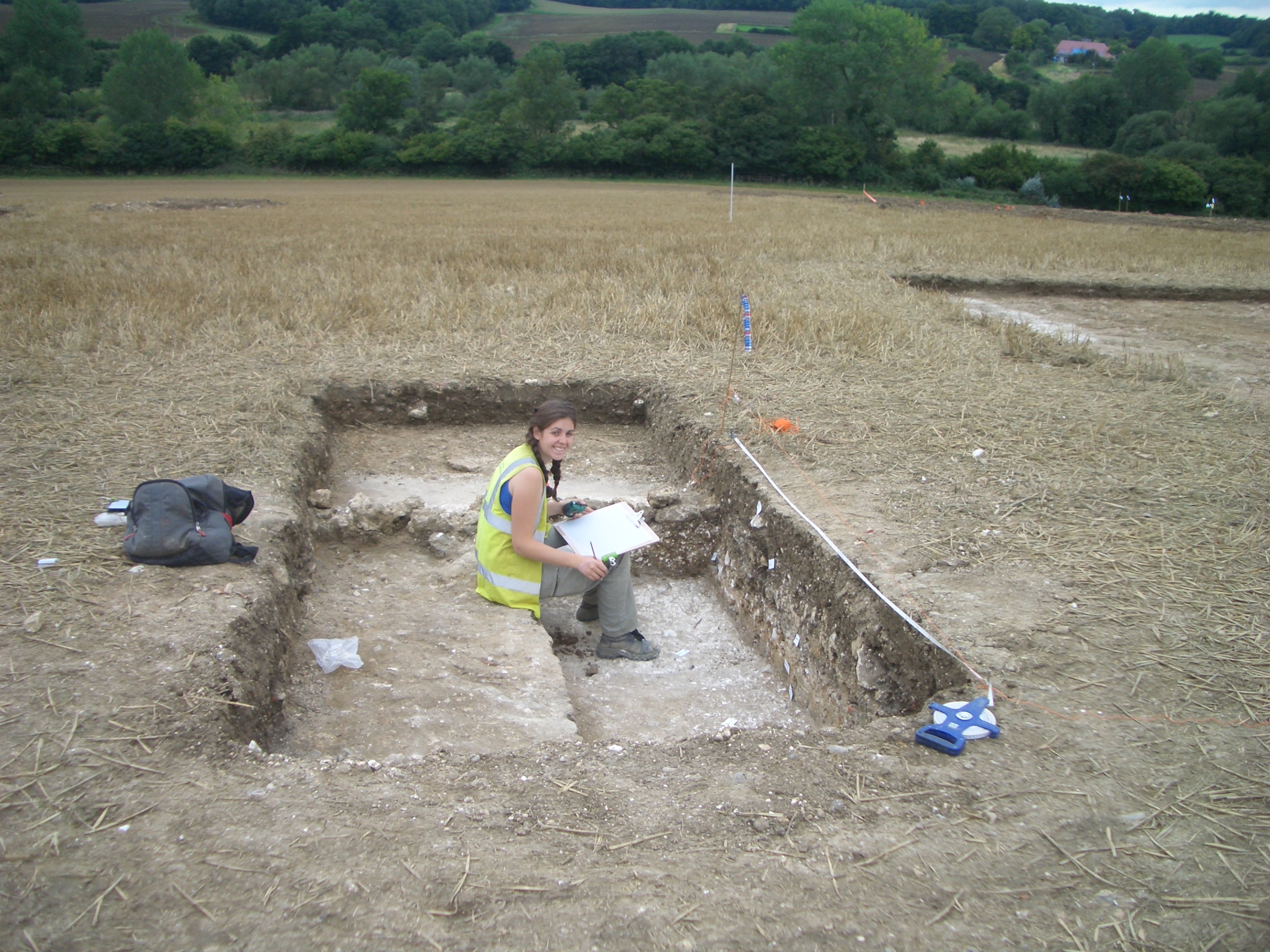
Annabella and Erica in trench 5 looking for a wall!

The hexicopter again
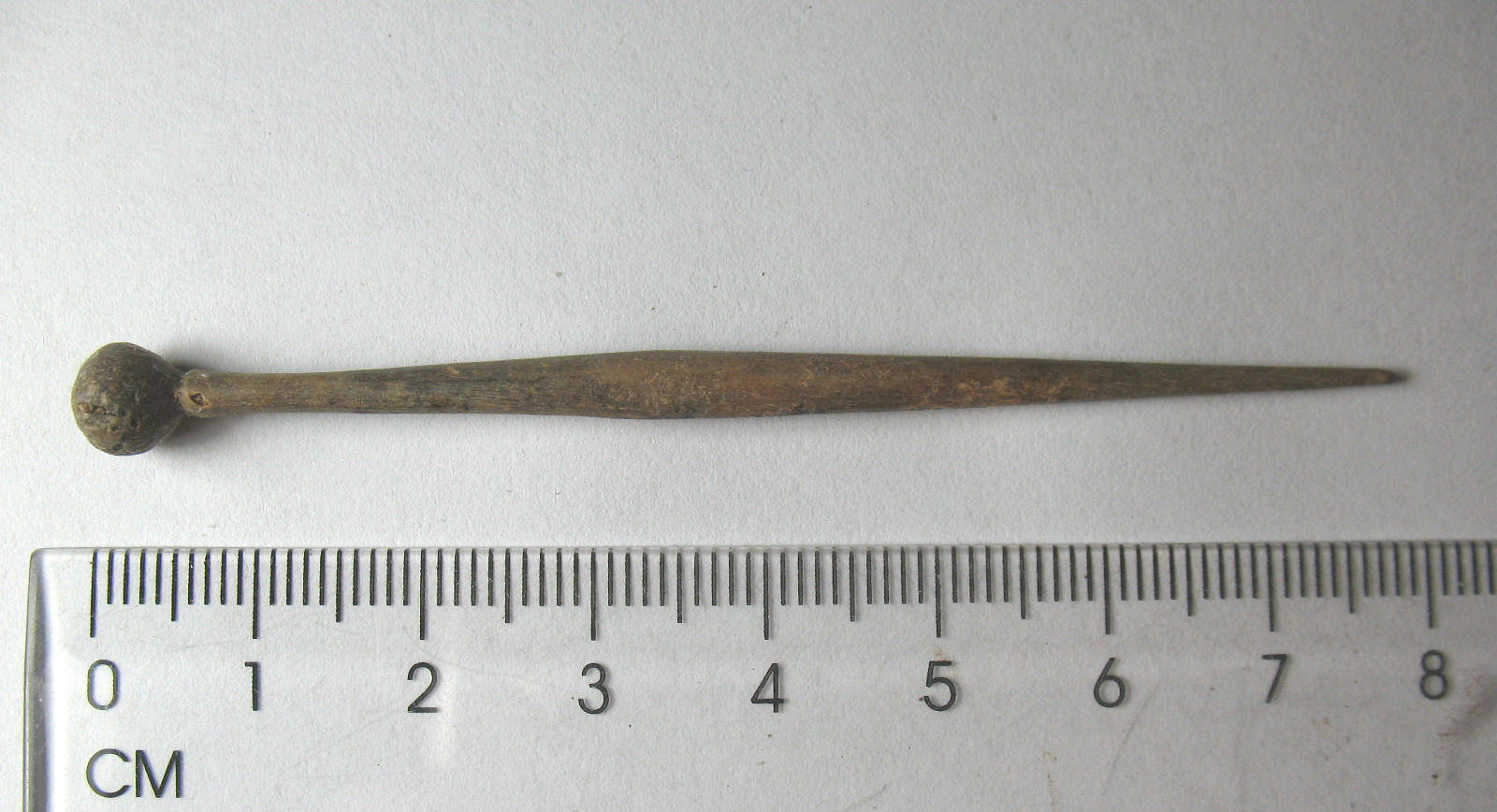
Gary found another one – a beautiful bone pin
Some useful small finds today – the students patiently working away in their ditch trench eventually had their rewards with some nice pottery shards and animal bone finds. Gary in the main entrance trench, managed to find another delicate bone pin under the rubble – sorry no photo at this moment in time. There was an awful lot of cbm and limestone roofing from trench 4 but much excitement at seeing flue tile under a wall suggesting the hot air underfloor heating from one room to another. It’s really great to be able to piece each element of the site together and begin to see a clearer picture of the building within it’s landscape.
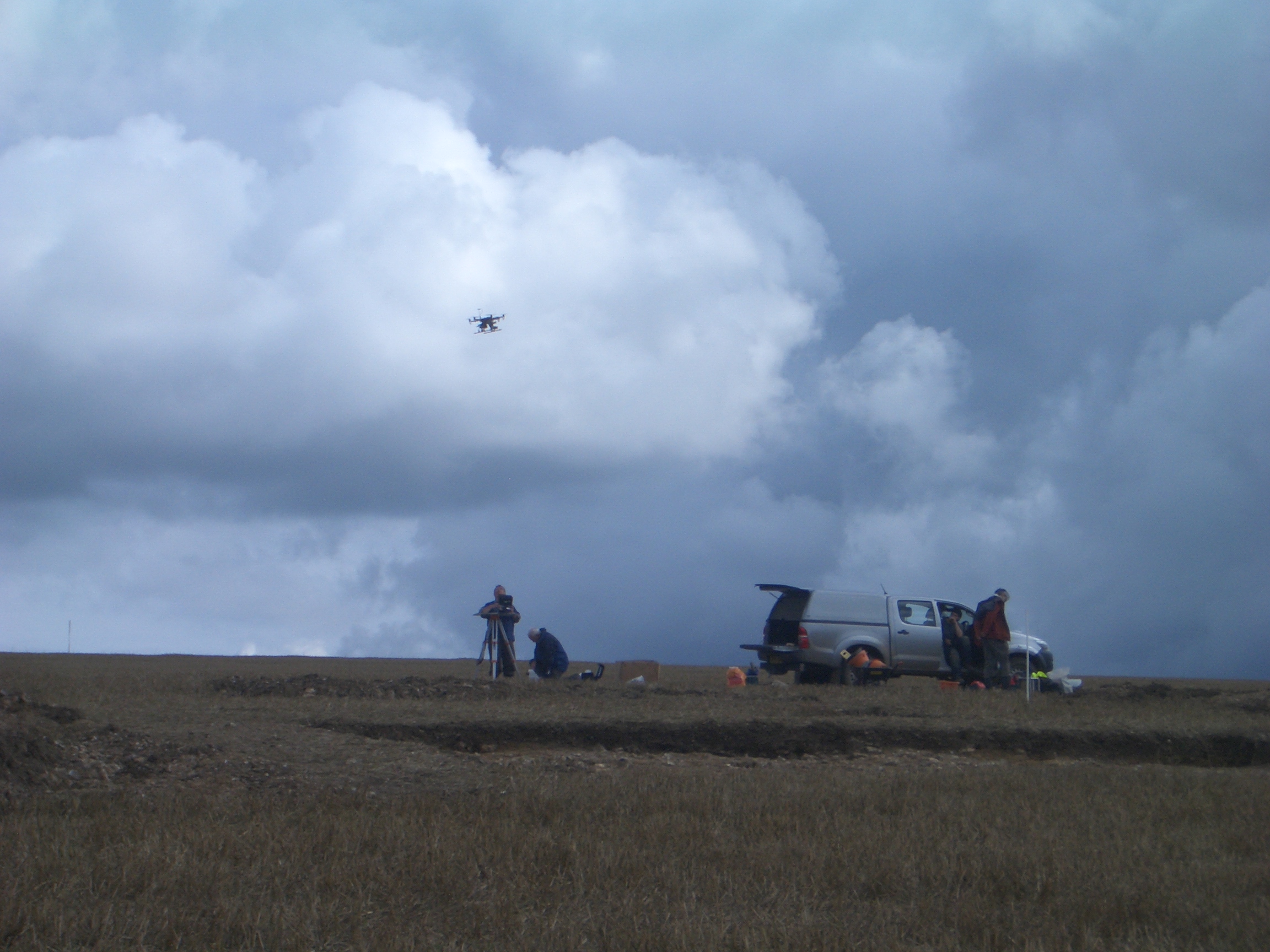
Keith taking some useful overhead shots of the site using a hexicopter

Sue, Isobel and Bob have found a few pieces of tesserae in the bath house and are looking for more – a picture of Neptune perhaps!
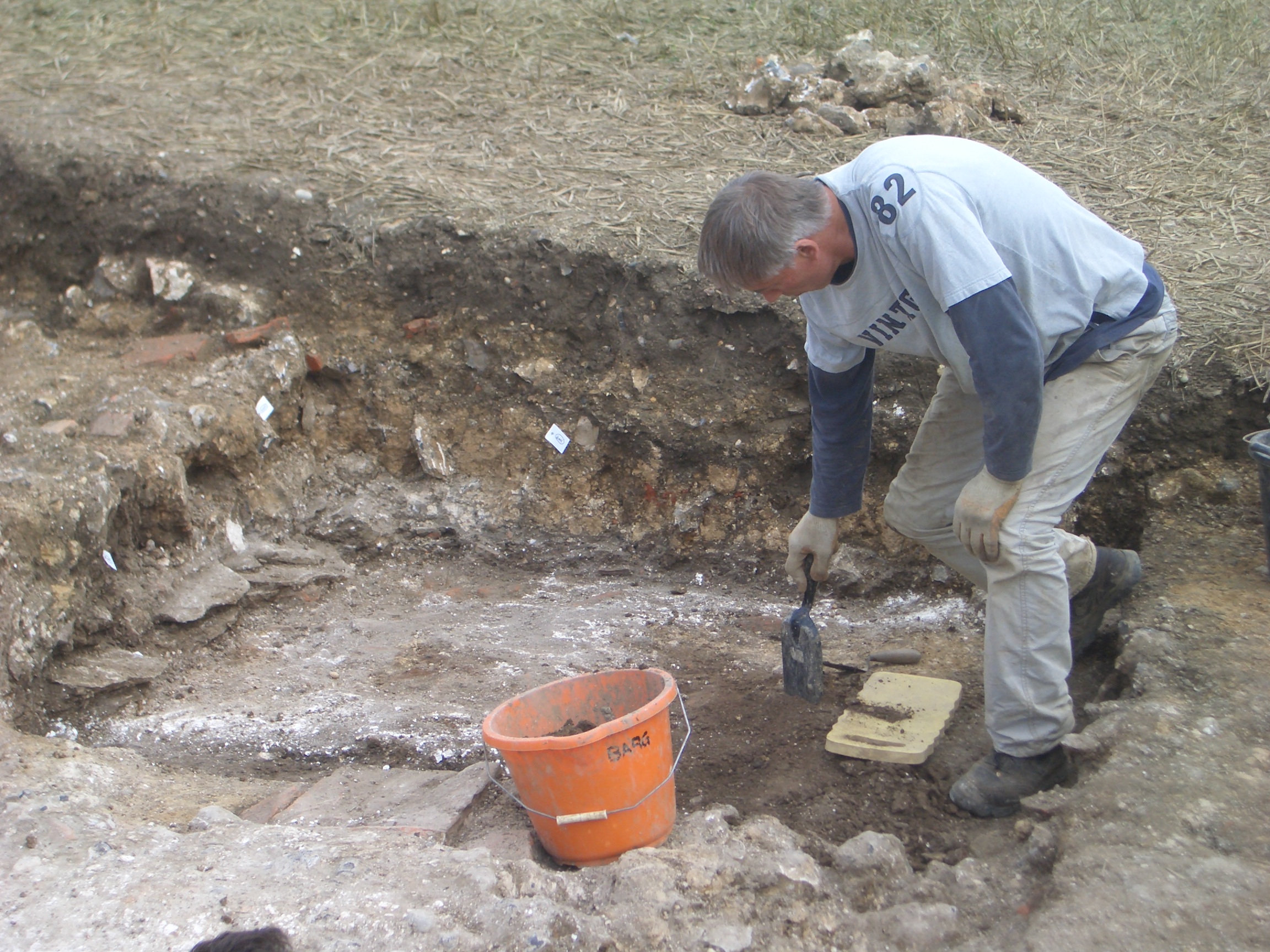
Well, we thought we would see the floor of the main entrance once the limestone roof tiles from the collapsed building were cleared away but what did we see? More cbm! (ceramic building material) The limestone roof tiles can be seen in a layer to the left of the picture. This has all got to be cleared away before we see the floor – very frustrating and tantalising. Gary was remarkably calm and stoic about it all and gamely carried on digging all day. However a couple of nice surprises were the finds of a small piece of window glass which shows what a high class place this villa was, together with a beautiful piece of decorated wall plaster. We also found the underfloor heating channel – so central heating 1800 odd years ago. What an entrance – built to impress!
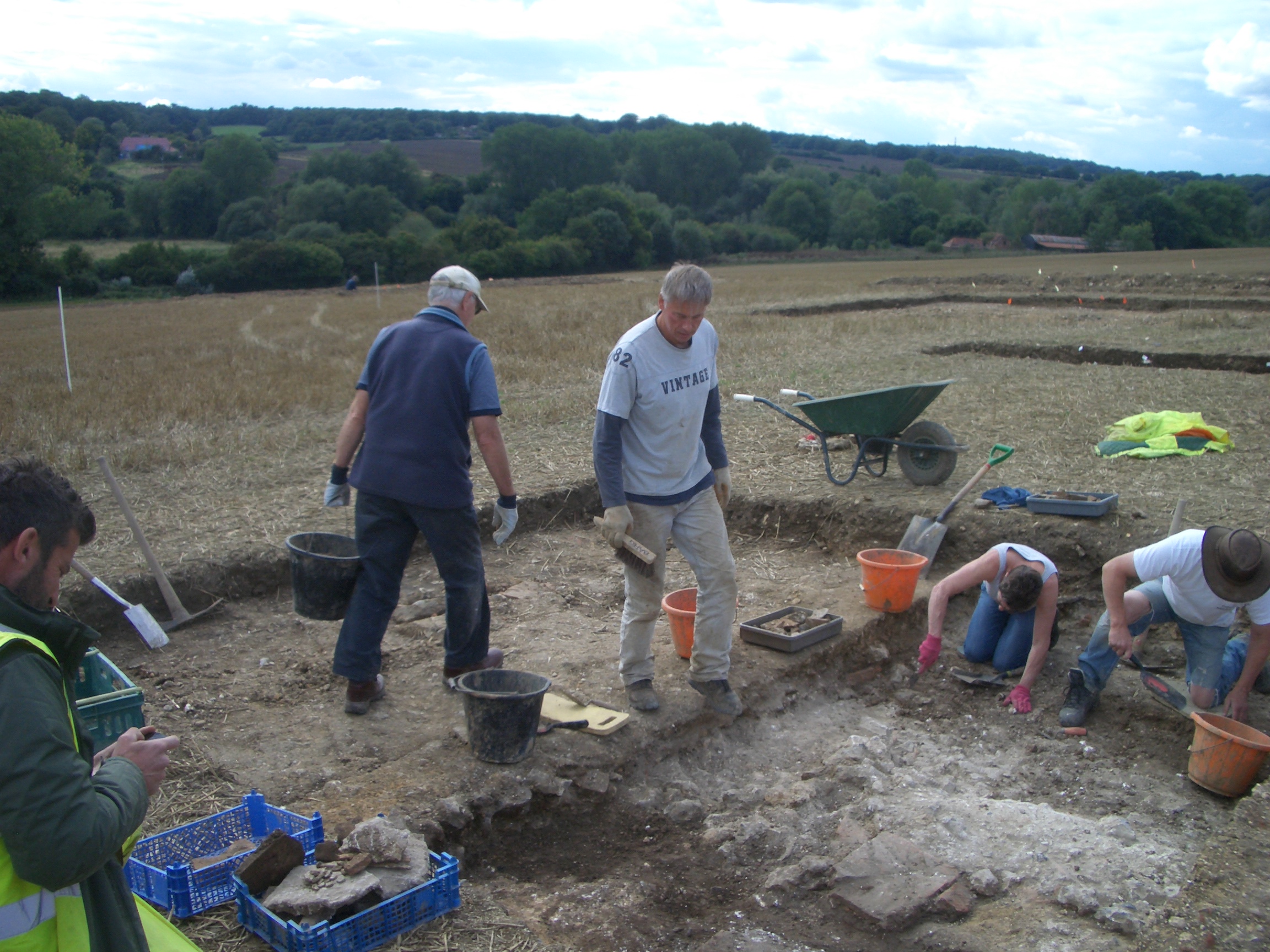
Gary stoically digging more cbm (ceramic building material) and Dave clearing away soil.
Neil Holbrooke, Time Team’s Roman specialist visited the villa site today. He seemed pretty impressed with the site as a whole and had a rummage through the finds pointing out 4th century pottery amongst other things. He chatted to some of our committed young students who have been coming every day.
We might be getting closer to finding out if the main entrance floor is special. Digging in this area has gone down to a level where we can see the limestone roof tile collapse, usually the first to go – which has covered one area of the floor at least. It’s a good sign and the archaeologists think it might have protected the floor from further damage and robbery!
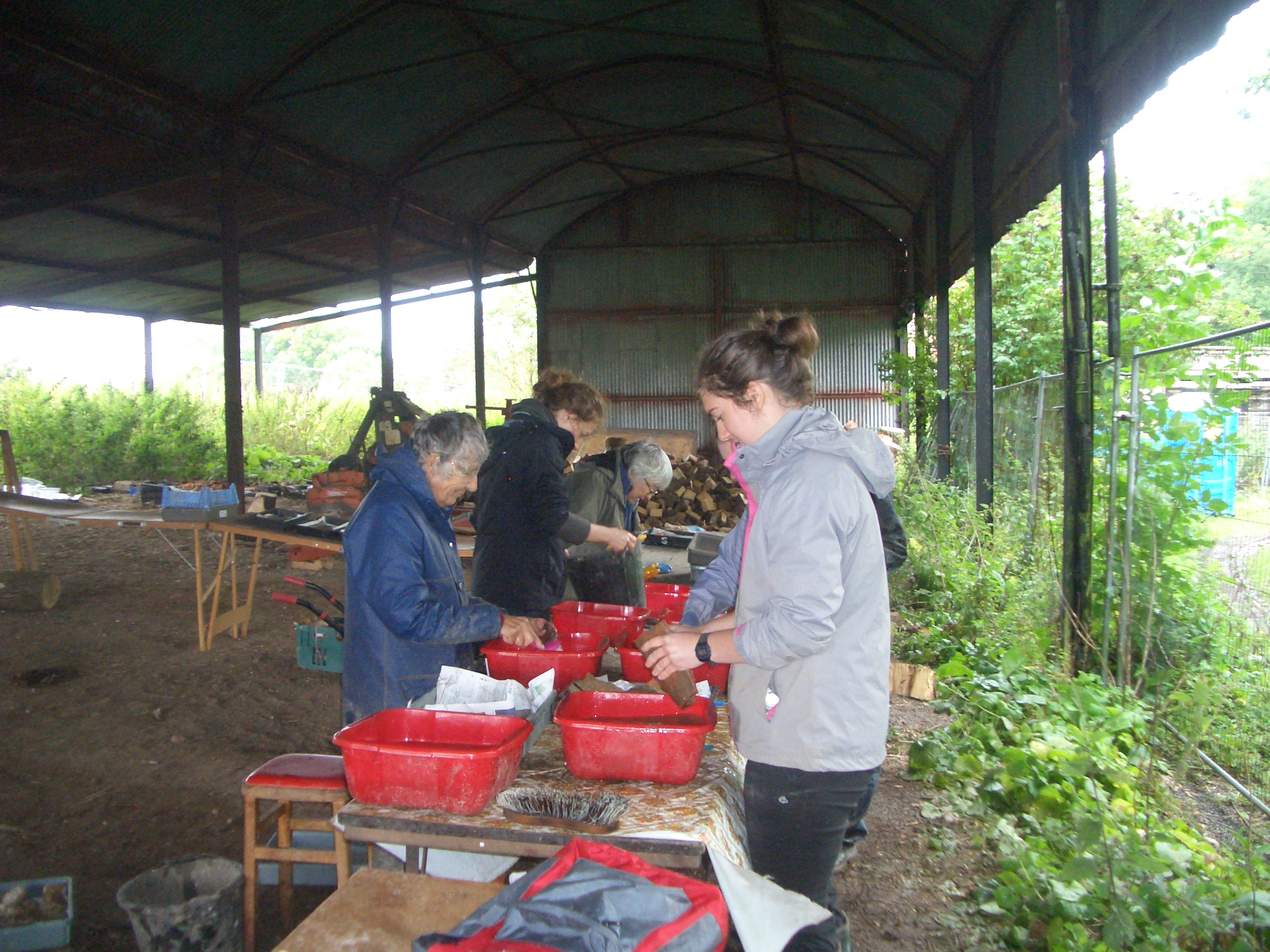
Prue, Agata, Barbara, Tom, Kate and Freya
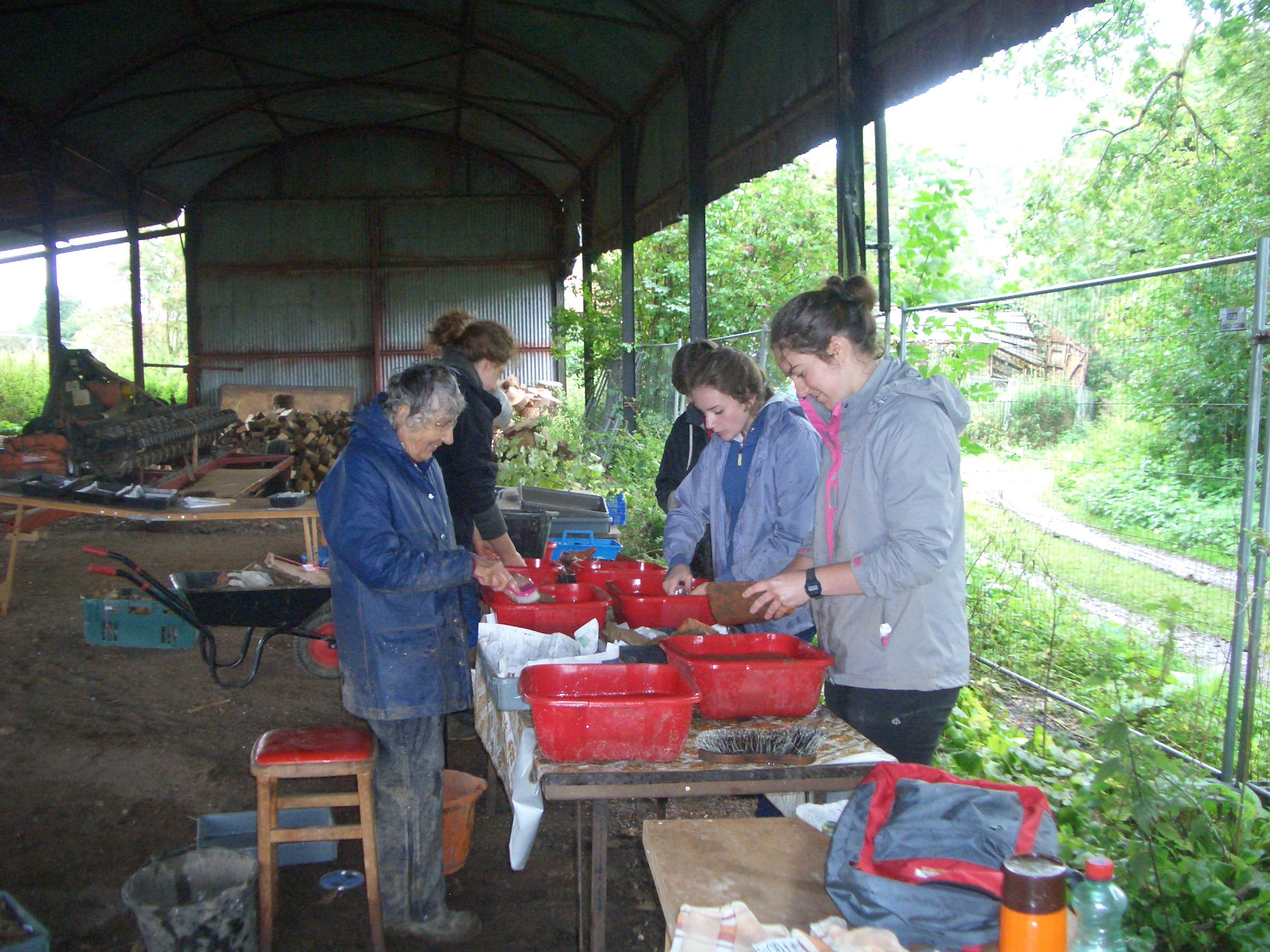
Pot washing may not seem very glamorous but it takes careful hands and concentration to remove years of mud from tiles, bricks, pots, painted plaster, bone, shells and metal work. A huge amount had been brought down from the site on Saturday, so it was a major task to clear it all before digging starts again. So whilst the rain poured down outside, we were working hard in the barn. After the artefacts are washed , they are photographed, their site location and any significant marks are recorded.
Many limestone and clay tiles had fallen from the collapsed roof into the main entrance of the villa, covering the floor. There is still much more debris to clear from here. It’s amazing then to find small items unbroken like the bone pin.
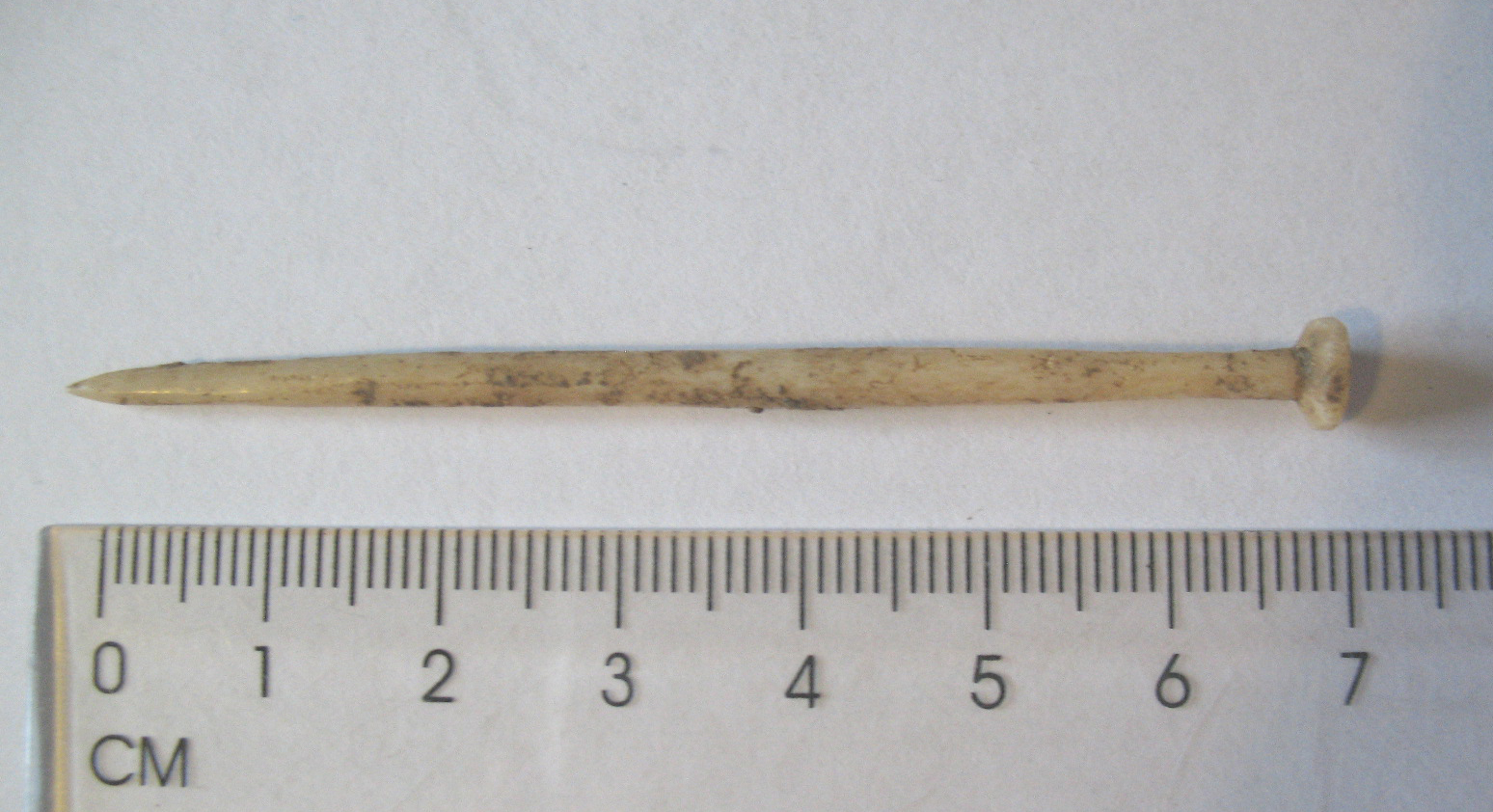
Bone pin
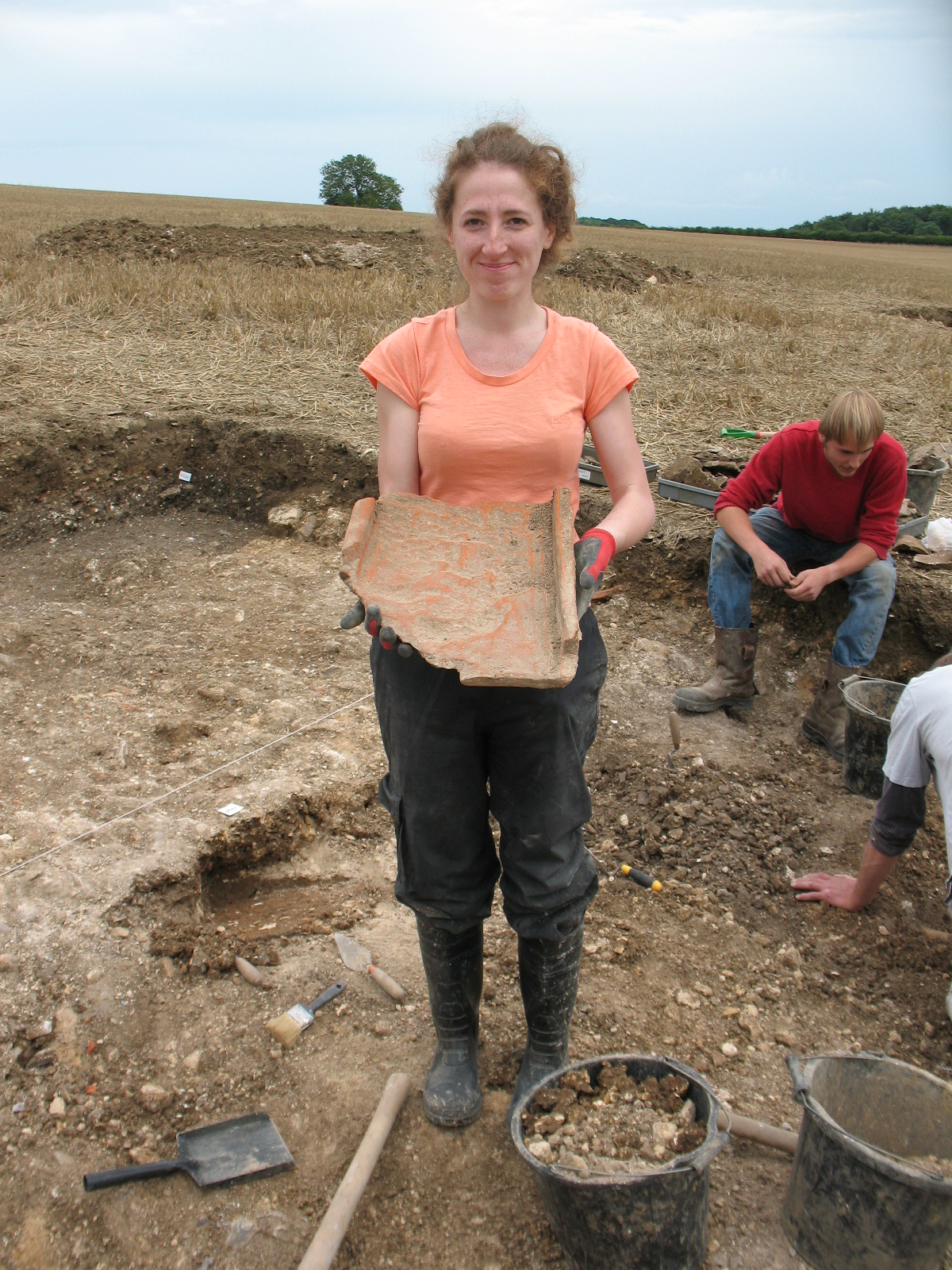
Agata’s next find!
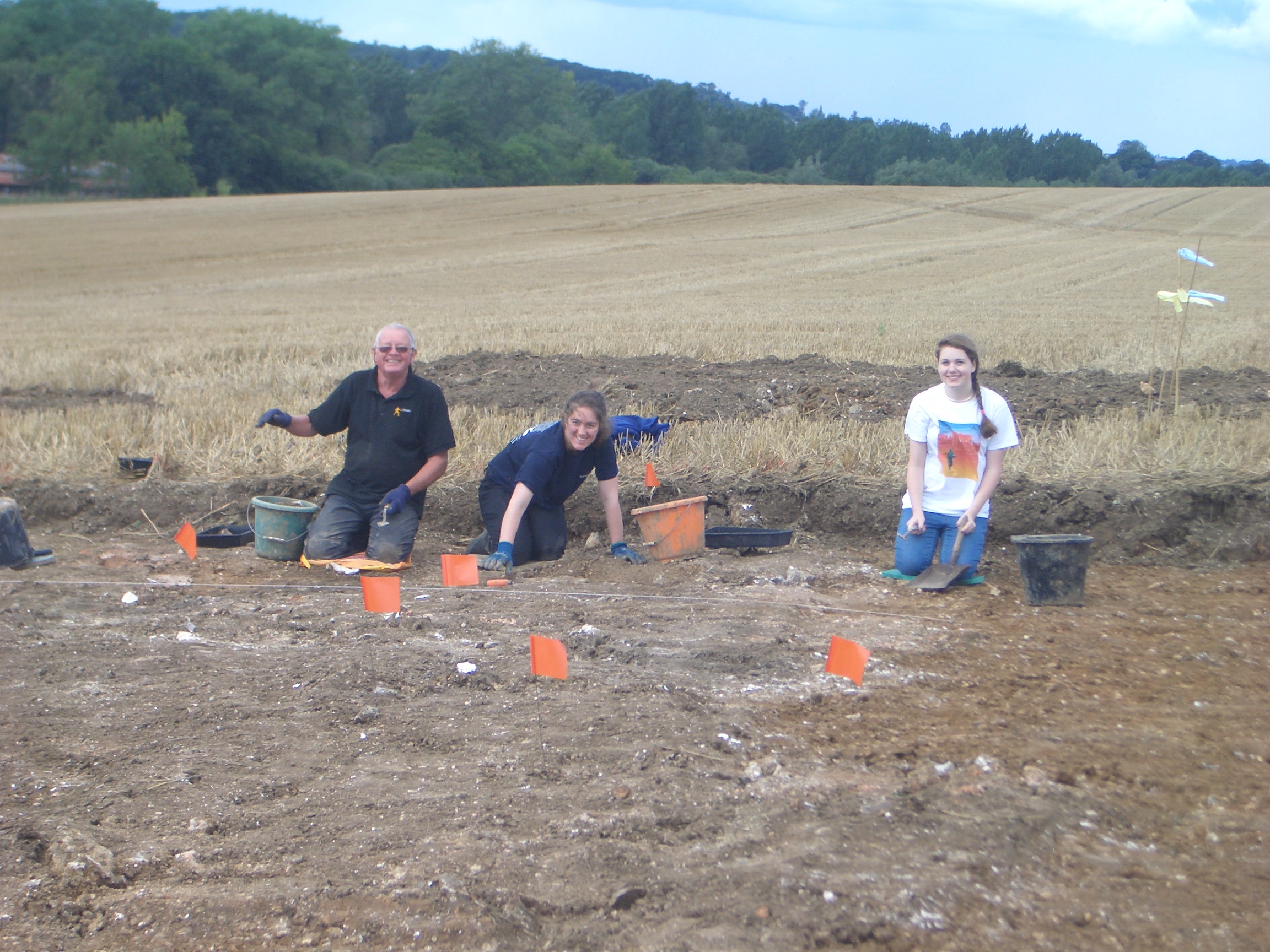
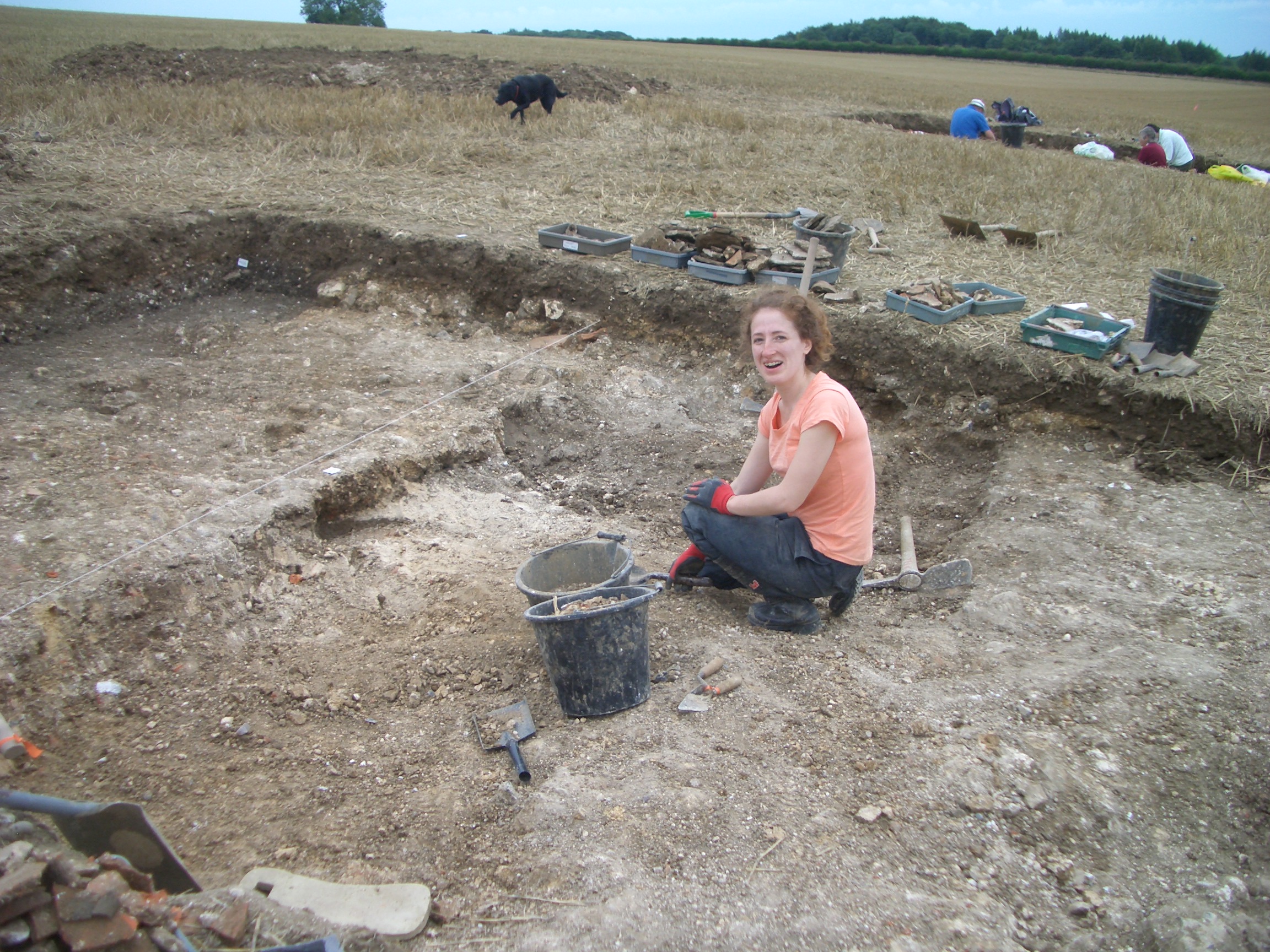
Jim, Eleanor and Freya start to unearth a wonderful find – another building on this amazing site!

All in a hole
© 2026 Boxford
Theme by Anders Norén — Up ↑